







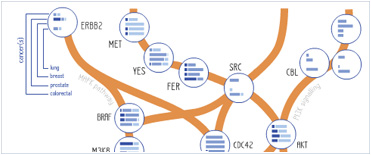








 Foundational characteristics of cancer include proliferation, angiogenesis, migration, evasion of apoptosis, and cellular immortality. Find key markers for these cellular processes and antibodies to detect them.
 The SUMOplot™ Analysis Program predicts and scores sumoylation sites in your protein. SUMOylation is a post-translational modification involved in various cellular processes, such as nuclear-cytosolic transport, transcriptional regulation, apoptosis, protein stability, response to stress, and progression through the cell cycle.
 The Autophagy Receptor Motif Plotter predicts and scores autophagy receptor binding sites in your protein. Identifying proteins connected to this pathway is critical to understanding the role of autophagy in physiological as well as pathological processes such as development, differentiation, neurodegenerative diseases, stress, infection, and cancer.
Target of the Week - SNAIL and SLUG Antibodies
Sep 10, 2015

|
Dear Researcher,
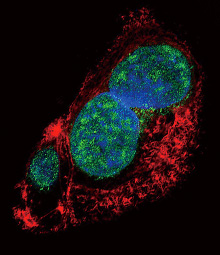
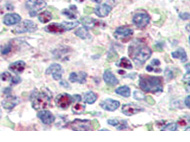
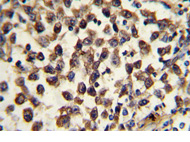
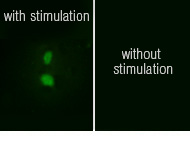
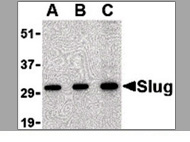
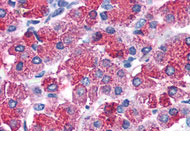
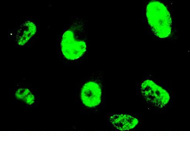
Abgent offers a portfolio of antibodies for the detection of SNAIL and SLUG proteins, include western blotting, immunohistochemistry, and immunofluorescence.
SNAIL (SNAI1) and SLUG (SNAI2) are zinc finger transcriptional repressor proteins downregulating expression of E-cadherin. Due to this role, both SNAIL and SLUG expression has been associated with tumor invasion in breast carcinomas. SNAIL in the stroma is a new putative prognosis marker for colon tumors, and mutations in SLUG are associated with sporadic cases of neural tube defects.
To find the right antibody for your research, please visit Abgent SNAIL (SNAI1) and SLUG (SNAI2) Antibodies.
|
|
Abgent is pleased to announced the new abgent.com with fresh content, research tools, and 10,000+ original manufactured products organized by key areas of research including cancer, metabolism, cardiovascular, neuroscience, stem cells, immunology, and developmental biology.
Abgent is highlighted in the Antibody Quality Review published by Nature.
Abgent is highlighted in the Antibody Quality Review published by Nature.
 |
 |
 |
Events
