






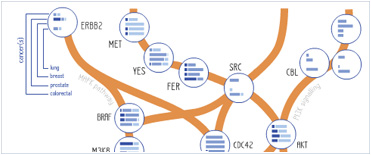








 Foundational characteristics of cancer include proliferation, angiogenesis, migration, evasion of apoptosis, and cellular immortality. Find key markers for these cellular processes and antibodies to detect them.
 The SUMOplot™ Analysis Program predicts and scores sumoylation sites in your protein. SUMOylation is a post-translational modification involved in various cellular processes, such as nuclear-cytosolic transport, transcriptional regulation, apoptosis, protein stability, response to stress, and progression through the cell cycle.
 The Autophagy Receptor Motif Plotter predicts and scores autophagy receptor binding sites in your protein. Identifying proteins connected to this pathway is critical to understanding the role of autophagy in physiological as well as pathological processes such as development, differentiation, neurodegenerative diseases, stress, infection, and cancer.
Mouse Sgk3 Antibody (C-term)
Affinity Purified Rabbit Polyclonal Antibody (Pab)
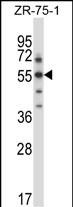
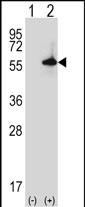
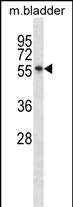
- SPECIFICATION
- CITATIONS
- PROTOCOLS
- BACKGROUND

Application 
| WB, E |
|---|---|
| Primary Accession | Q9ERE3 |
| Other Accession | Q8R4V0, NP_808215.2, NP_573483.1 |
| Reactivity | Human, Mouse |
| Predicted | Rat |
| Host | Rabbit |
| Clonality | Polyclonal |
| Isotype | Rabbit IgG |
| Calculated MW | 57145 Da |
| Antigen Region | 381-409 aa |
| Gene ID | 170755 |
|---|---|
| Other Names | Serine/threonine-protein kinase Sgk3, Cytokine-independent survival kinase, Serum/glucocorticoid-regulated kinase 3, Serum/glucocorticoid-regulated kinase-like, Sgk3, Cisk, Sgkl |
| Target/Specificity | This Mouse Sgk3 antibody is generated from rabbits immunized with a KLH conjugated synthetic peptide between 381-409 amino acids from the C-terminal region of mouse Sgk3. |
| Dilution | WB~~1:1000 E~~Use at an assay dependent concentration. |
| Format | Purified polyclonal antibody supplied in PBS with 0.09% (W/V) sodium azide. This antibody is purified through a protein A column, followed by peptide affinity purification. |
| Storage | Maintain refrigerated at 2-8°C for up to 2 weeks. For long term storage store at -20°C in small aliquots to prevent freeze-thaw cycles. |
| Precautions | Mouse Sgk3 Antibody (C-term) is for research use only and not for use in diagnostic or therapeutic procedures. |
| Name | Sgk3 |
|---|---|
| Synonyms | Cisk, Sgkl |
| Function | Serine/threonine-protein kinase which is involved in the regulation of a wide variety of ion channels, membrane transporters, cell growth, proliferation, survival and migration. Up-regulates Na(+) channels: SCNN1A/ENAC and SCN5A, K(+) channels: KCNA3/KV1.3, KCNE1, KCNQ1 and KCNH2/HERG, epithelial Ca(2+) channels: TRPV5 and TRPV6, chloride channel: BSND, creatine transporter: SLC6A8, Na(+)/dicarboxylate cotransporter: SLC13A2/NADC1, Na(+)-dependent phosphate cotransporter: SLC34A2/NAPI-2B, amino acid transporters: SLC1A5/ASCT2 and SLC6A19, glutamate transporters: SLC1A3/EAAT1, SLC1A6/EAAT4 and SLC1A7/EAAT5, glutamate receptors: GRIA1/GLUR1 and GRIK2/GLUR6, Na(+)/H(+) exchanger: SLC9A3/NHE3, and the Na(+)/K(+) ATPase. Plays a role in the regulation of renal tubular phosphate transport and bone density. Phosphorylates NEDD4L and GSK3B. Positively regulates ER transcription activity through phosphorylation of FLII. Negatively regulates the function of ITCH/AIP4 via its phosphorylation and thereby prevents CXCR4 from being efficiently sorted to lysosomes. |
| Cellular Location | Cytoplasmic vesicle. Early endosome. Recycling endosome Note=Endosomal localization is a prerequisite for complete kinase activity. It is essential for its colocalization with the kinase responsible for phosphorylating Ser-486 thus allowing PDPK1 phosphorylation of Thr-320 resulting in complete activation of SGK3 Colocalizes with SLC9A3/NHE3 in the recycling endosomes (By similarity). Localized in vesicle-like structures and in the early endosome. |
| Tissue Location | Widely expressed, predominantly in the heart, spleen and 7-day embryo |

Thousands of laboratories across the world have published research that depended on the performance of antibodies from Abcepta to advance their research. Check out links to articles that cite our products in major peer-reviewed journals, organized by research category.
info@abcepta.com, and receive a free "I Love Antibodies" mug.

Provided below are standard protocols that you may find useful for product applications.
Background
Sgk3 is involved in the activation of potassium channels (By similarity). Mediates cell IL-3-dependent survival signals. Can inhibit pro-apoptotic FOXO3A in vitro.
References
Zemtsova, I.M., et al. Am. J. Physiol., Cell Physiol. 299 (5), C1007-C1014 (2010) :
Mauro, T.M., et al. FASEB J. 23(9):3193-3202(2009)
Xu, J., et al. J. Biol. Chem. 284(21):14377-14385(2009)
Campagna, D.R., et al. J. Invest. Dermatol. 128(3):730-732(2008)
Okada, T., et al. Am. J. Pathol. 168(4):1119-1133(2006)

If you have used an Abcepta product and would like to share how it has performed, please click on the "Submit Review" button and provide the requested information. Our staff will examine and post your review and contact you if needed.
If you have any additional inquiries please email technical services at tech@abcepta.com.

Ordering Information
Other Products
Shipping Information