






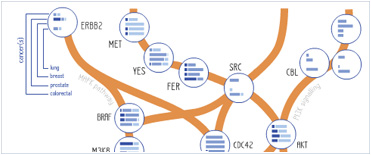







 Foundational characteristics of cancer include proliferation, angiogenesis, migration, evasion of apoptosis, and cellular immortality. Find key markers for these cellular processes and antibodies to detect them.
 The SUMOplot™ Analysis Program predicts and scores sumoylation sites in your protein. SUMOylation is a post-translational modification involved in various cellular processes, such as nuclear-cytosolic transport, transcriptional regulation, apoptosis, protein stability, response to stress, and progression through the cell cycle.
 The Autophagy Receptor Motif Plotter predicts and scores autophagy receptor binding sites in your protein. Identifying proteins connected to this pathway is critical to understanding the role of autophagy in physiological as well as pathological processes such as development, differentiation, neurodegenerative diseases, stress, infection, and cancer.
PKP3 Antibody (C-term)
Affinity Purified Rabbit Polyclonal Antibody (Pab)
- SPECIFICATION
- CITATIONS
- PROTOCOLS
- BACKGROUND

Application 
| WB, E |
|---|---|
| Primary Accession | Q9Y446 |
| Other Accession | Q9QY23, Q08DQ0, NP_009114.1 |
| Reactivity | Human |
| Predicted | Bovine, Mouse |
| Host | Rabbit |
| Clonality | Polyclonal |
| Isotype | Rabbit IgG |
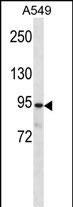
| Calculated MW | 87082 Da |
| Antigen Region | 766-794 aa |
| Gene ID | 11187 |
|---|---|
| Other Names | Plakophilin-3, PKP3 |
| Target/Specificity | This PKP3 antibody is generated from rabbits immunized with a KLH conjugated synthetic peptide between 766-794 amino acids from the C-terminal region of human PKP3. |
| Dilution | WB~~1:1000 E~~Use at an assay dependent concentration. |
| Format | Purified polyclonal antibody supplied in PBS with 0.09% (W/V) sodium azide. This antibody is purified through a protein A column, followed by peptide affinity purification. |
| Storage | Maintain refrigerated at 2-8°C for up to 2 weeks. For long term storage store at -20°C in small aliquots to prevent freeze-thaw cycles. |
| Precautions | PKP3 Antibody (C-term) is for research use only and not for use in diagnostic or therapeutic procedures. |
| Name | PKP3 |
|---|---|
| Function | A component of desmosome cell-cell junctions which are required for positive regulation of cellular adhesion (PubMed:24124604). Required for the localization of DSG2, DSP and PKP2 to mature desmosome junctions (PubMed:20859650). May also play a role in the maintenance of DSG3 protein abundance in keratinocytes (By similarity). Required for the formation of DSP-containing desmosome precursors in the cytoplasm during desmosome assembly (PubMed:25208567). Also regulates the accumulation of CDH1 to mature desmosome junctions, via cAMP-dependent signaling and its interaction with activated RAP1A (PubMed:25208567). Positively regulates the stabilization of PKP2 mRNA and therefore protein abundance, via its interaction with FXR1, may also regulate the protein abundance of DSP via the same mechanism (PubMed:25225333). May also regulate the protein abundance of the desmosome component PKP1 (By similarity). Required for the organization of desmosome junctions at intercellular borders between basal keratinocytes of the epidermis, as a result plays a role in maintenance of the dermal barrier and regulation of the dermal inflammatory response (By similarity). Required during epidermal keratinocyte differentiation for cell adherence at tricellular cell- cell contacts, via regulation of the timely formation of adherens junctions and desmosomes in a calcium-dependent manner, and may also play a role in the organization of the intracellular actin fiber belt (By similarity). Acts as a negative regulator of the inflammatory response in hematopoietic cells of the skin and intestine, via modulation of proinflammatory cytokine production (By similarity). Important for epithelial barrier maintenance in the intestine to reduce intestinal permeability, thereby plays a role in protection from intestinal-derived endotoxemia (By similarity). Required for the development of hair follicles, via a role in the regulation of inner root sheaf length, correct alignment and anterior-posterior polarity of hair follicles (By similarity). Promotes proliferation and cell-cycle G1/S phase transition of keratinocytes (By similarity). Promotes E2F1- driven transcription of G1/S phase promoting genes by acting to release E2F1 from its inhibitory interaction with RB1, via sequestering RB1 and CDKN1A to the cytoplasm and thereby increasing CDK4- and CDK6-driven phosphorylation of RB1 (By similarity). May act as a scaffold protein to facilitate MAPK phosphorylation of RPS6KA protein family members and subsequently promote downstream EGFR signaling (By similarity). May play a role in the positive regulation of transcription of Wnt-mediated TCF-responsive target genes (PubMed:34058472). |
| Cellular Location | Nucleus. Cell junction, desmosome. Cytoplasm. Cell membrane; Peripheral membrane protein. Cell junction, adherens junction {ECO:0000250|UniProtKB:Q9QY23}. Note=Translocates to the nucleus following canonical WNT signaling activation by WNT3A (PubMed:34058472). Maintains a cytoplasmic pool which can then be translocated to the desmosome, the cytoplasmic pool is maintained through PKP3 interaction with SFN (PubMed:24124604). Aberrant increases in translocation to the desmosome result in cell junction instability and therefore decreased cell adhesion (PubMed:24124604). Partially colocalizes at cell junctions in a zipper-like pattern with DSP, CDH1, CTNNB1 and CTNND1 in the early stages of keratinocyte differentiation (By similarity). Moves to cell junctions at tricellular contacts as differentiation progresses and as epithelial sheet formation completes (By similarity). {ECO:0000250|UniProtKB:Q9QY23, ECO:0000269|PubMed:24124604, ECO:0000269|PubMed:34058472} [Isoform PKP3b]: Cell junction, desmosome. Cytoplasm |
| Tissue Location | Expressed in the epidermis of the skin, in squamous non-cornifying epithelial cells in the vagina, single layer epithelia of the duodenum and pancreas acini and non-epithelial dendritic reticulum cells of lymph node follicles (at protein level) [Isoform PKP3b]: Expressed in the oral cavity mucosa and epithelial cells of the crypts and villi in the small intestine (at protein level) (PubMed:24178805). Expressed in the epidermis with more abundant expression found in the basal and low spinous cells (at protein level) (PubMed:24178805) |

Thousands of laboratories across the world have published research that depended on the performance of antibodies from Abcepta to advance their research. Check out links to articles that cite our products in major peer-reviewed journals, organized by research category.
info@abcepta.com, and receive a free "I Love Antibodies" mug.

Provided below are standard protocols that you may find useful for product applications.
Background
This gene encodes a member of the arm-repeat (armadillo) and plakophilin gene families. Plakophilin proteins contain numerous armadillo repeats, localize to cell desmosomes and nuclei, and participate in linking cadherins to intermediate filaments in the cytoskeleton. This protein may act in cellular desmosome-dependent adhesion and signaling pathways. [provided by RefSeq].
References
Bailey, S.D., et al. Diabetes Care 33(10):2250-2253(2010)
Valladares-Ayerbes, M., et al. Cancer Epidemiol. Biomarkers Prev. 19(6):1432-1440(2010)
Talmud, P.J., et al. Am. J. Hum. Genet. 85(5):628-642(2009)
Kundu, S.T., et al. Int. J. Cancer 123(10):2303-2314(2008)
Valladares-Ayerbes, M., et al. Cancer Detect. Prev. 32(3):236-250(2008)

If you have used an Abcepta product and would like to share how it has performed, please click on the "Submit Review" button and provide the requested information. Our staff will examine and post your review and contact you if needed.
If you have any additional inquiries please email technical services at tech@abcepta.com.

Ordering Information
Other Products
Shipping Information