






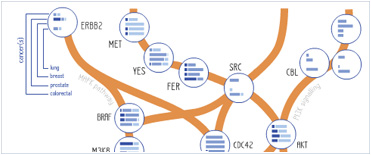








 Foundational characteristics of cancer include proliferation, angiogenesis, migration, evasion of apoptosis, and cellular immortality. Find key markers for these cellular processes and antibodies to detect them.
 The SUMOplot™ Analysis Program predicts and scores sumoylation sites in your protein. SUMOylation is a post-translational modification involved in various cellular processes, such as nuclear-cytosolic transport, transcriptional regulation, apoptosis, protein stability, response to stress, and progression through the cell cycle.
 The Autophagy Receptor Motif Plotter predicts and scores autophagy receptor binding sites in your protein. Identifying proteins connected to this pathway is critical to understanding the role of autophagy in physiological as well as pathological processes such as development, differentiation, neurodegenerative diseases, stress, infection, and cancer.
MART-1/Melan-A, mouse recombinant protein
Melanoma antigen recognized by T-cells 1, Antigen LB39-AA, Antigen SK29-AA, MART-1, Melan-A
- SPECIFICATION
- CITATIONS
- PROTOCOLS
- BACKGROUND
| Primary Accession | Q2TA50 |
|---|---|
| Calculated MW | 17.6 kDa |
| Gene ID | 77836 |
|---|---|
| Gene Symbol | Melan-A |
| Other Names | Melanoma antigen recognized by T-cells 1, Antigen LB39-AA, Antigen SK29-AA, MART-1, Melan-A |
| Gene Source | Mouse |
| Source | E. coli |
| Assay&Purity | N/A; |
| Assay2&Purity2 | N/A; |
| Recombinant | Yes |
| Target/Specificity | MART-1/Melan-A |
| Format | Liquid |
| Storage | -20°C; MART-1/Melan-A protein is in 50 mM Tris, pH 7.5, 100 mM NaCl, 20 mM β-mercaptoethanol, and 20%Glycerol. |

Thousands of laboratories across the world have published research that depended on the performance of antibodies from Abcepta to advance their research. Check out links to articles that cite our products in major peer-reviewed journals, organized by research category.
info@abcepta.com, and receive a free "I Love Antibodies" mug.

Provided below are standard protocols that you may find useful for product applications.
Background
MART-1 (also known as Melan-A) is a melanocyte differentiation antigen or marker recognized by autologous cytotoxic T lymphocytes. It is a membrane protein with one transmembrane peptide. Melan-A is expressed by a large proportion of melanoma tumors, both melanotic and amelanotic and by melanoma cell lines. It is present in melanocytes of normal skin and retina, nevi and in more than 85% of melanomas. Melan-A/MART-1 is not expressed by non-melanoma malignancies. It is recognized by autologous cytotoxic T lymphocytes. Subcellular fractionation shows that MART-1 is present in melanosomes and endoplasmic reticulum. Six other melanoma associated antigens recognized by autologous cytotoxic T cells include MAGE-1, Tyrosinase, gp100, gp75, BAGE-1, and GAGE-1. Mouse MART-1 is purified by proprietary chromatographic techniques.

If you have used an Abcepta product and would like to share how it has performed, please click on the "Submit Review" button and provide the requested information. Our staff will examine and post your review and contact you if needed.
If you have any additional inquiries please email technical services at tech@abcepta.com.

Ordering Information
Other Products
Shipping Information